Upgrade Your Garage Door Opener System in 2026: A Complete Guide to Enhanced Security and Convenience
Why Upgrade Your Garage Door Opener System?
Upgrading your garage door opener system offers numerous benefits that enhance both home security and everyday convenience. Modern systems provide advanced safety features, quieter operation, and improved reliability compared to older models.
Key advantages include:
- Improved Security: Enhanced encryption technology and secure rolling codes reduce the risk of hacking and unauthorized access.
- Convenience: Features like smartphone app control, voice activation, and keyless entry simplify operation from anywhere.
- Noise Reduction: Belt drive motor units offer whisper-quiet performance, ideal for attached garages or living spaces above.
- Energy Efficiency: Newer motor designs consume less power, supporting eco-friendly home upgrades.
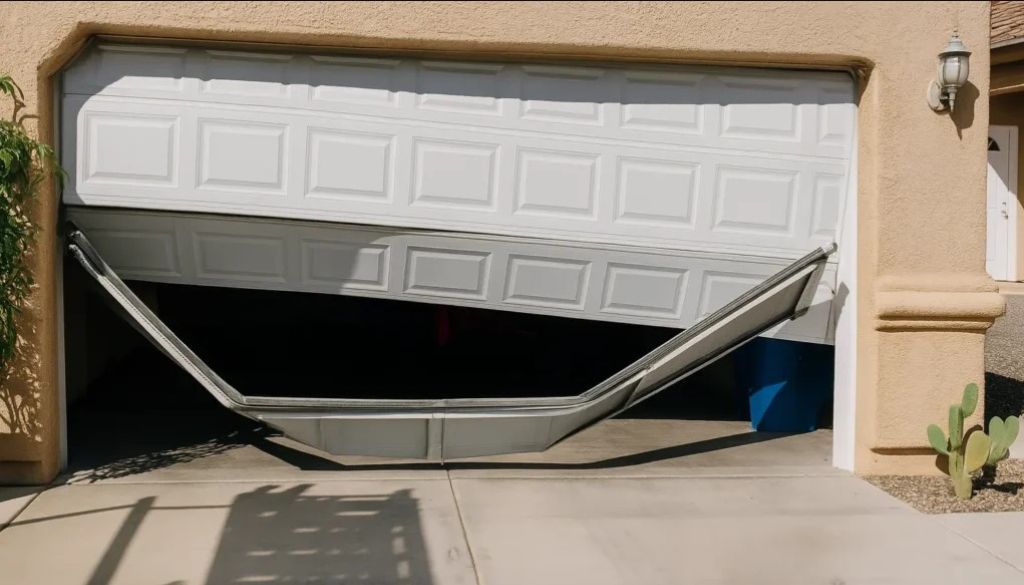
- Reliability: Upgraded components like durable door springs, steel cables, and advanced sensors extend the lifespan of your garage door system.
Whether your current opener struggles with frequent failures or lacks smart connectivity, an upgrade helps protect your home and adds valuable functionality.
Key Components of a Modern Garage Door Opener System Upgrade
Motor Unit Types: Belt Drive vs Chain Drive vs Screw Drive
Choosing the right motor unit is critical for performance and noise control:
- Belt Drive Garage Opener: Utilises a rubber belt to move the door smoothly and quietly. Ideal for those prioritising noise reduction and low maintenance.
- Chain Drive System: Uses a metal chain to operate the door. More affordable and durable but tends to be noisier due to metal-on-metal contact.
- Screw Drive Motor: Employs a threaded steel rod for movement. Requires moderate maintenance and offers a balance between speed and noise level.
Pros and Cons Summary:
- Belt Drive: Quiet operation, less vibration, higher initial cost.
- Chain Drive: Affordable, robust, louder noise during operation.
- Screw Drive: Moderate noise, reliable, needs lubrication periodically.
Remote Controls and Wireless Keypads
Modern remote controls and wireless keypads enhance accessibility and security:
- Extended remote control range enables opening and closing from larger distances.
- Wireless keypads allow keyless entry using security codes, eliminating the need for physical remotes.
- Rolling code encryption technology changes transmission frequencies automatically to prevent signal hijacking.
- Frequency transmitters support multiple devices and reduce interference from neighbouring systems.
Safety Features: Sensors and Auto-Reverse Mechanisms
Safety remains paramount when upgrading your garage door opener system:
- Infrared beam sensors detect obstacles in the door path, automatically reversing the door if anything interrupts the beam.
- Auto-reverse mechanisms prevent accidents by stopping door closure when resistance is detected.
- Emergency release latches enable manual door operation during power outages or emergencies.
- Door sensors monitor position and movement to coordinate safe operation cycles.
Smart Garage Features and Connectivity
Integrating smart technology into your garage door opener allows seamless control and monitoring:
- Smartphone apps provide real-time status updates and remote control functionality via Wi-Fi connectivity.
- Voice control compatibility with virtual assistants such as Alexa or Google Assistant offers hands-free operation.
- Smart home integration enables automation alongside other connected devices, improving security and convenience.
- Encryption technology secures communication channels to prevent hacking attempts and unauthorized access.
Battery Backup and Power Supply Options
Power outages don’t have to mean a stuck garage door with modern backup solutions:
- Battery backup systems keep your garage door operational during electrical interruptions.
- Reliable power supply options ensure consistent opener performance.
- Diagnostic systems alert users to power issues and maintenance needs.
- Emergency release mechanisms complement battery backups for total control.
Additional Hardware Upgrades: Springs, Tracks, and Lighting
Upgrading hardware components extends durability and improves safety:
- High-quality door springs enhance lifting power and reduce wear.
- Steel cables and mounting brackets support secure door attachment and movement.
- Door tracks should be inspected and replaced if bent or worn to ensure smooth operation.
- LED lighting upgrades improve visibility and energy efficiency inside the garage.
How to Upgrade Your Garage Door Opener System: Step-by-Step Guide
Follow these steps to successfully upgrade your garage door opener system and enjoy its advanced features:
- Gather Installation Kit and Tools: Ensure your kit includes a new motor unit, remote controls, wall control panel, safety sensors, and mounting hardware. Required tools typically include a drill, screwdrivers, wrenches, ladder, wire strippers, and a level.
- Remove Old Opener: Disconnect power, remove existing motor unit, safety sensors, and wiring carefully to prepare for new installation.
- Install New Motor Unit: Mount the motor bracket securely on ceiling joists and attach the rail and trolley mechanism following manufacturer instructions.
- Wire Wall Control Panel: Connect the wires to the control board, mount the control unit near the door inside the garage.
- Program Remote Controls: Follow programming instructions to sync remotes and wireless keypads with the new opener system using rolling code technology.
- Configure Safety Sensors: Install infrared sensors on either side of the door near the floor and test their alignment for proper auto-reverse functioning.
- Connect Smart Features: Set up Wi-Fi connectivity, download the compatible smartphone app, and integrate with smart home systems where available.
- Test and Troubleshoot: Operate the door through all controls and smart features. Check for smooth movement, sensor operation, and noise levels. Address any issues immediately.
Our Sponsor
A1 Garage Doors Gold Coast
A1 Garage Doors Gold Coast is a Bundall-based garage door specialist serving the southern Gold Coast and surrounding suburbs with installation, repair, maintenance, and emergency garage door services. The company specializes in sectional doors, roller doors, garage door openers, spring and cable replacement, opener motor repair, smart-enabled installations, and 24/7 emergency call-outs across Robina, Burleigh Heads, Surfers Paradise, Nerang, Coomera, and the wider Gold Coast region.
Address:
1 Waterford Court,
Bundall,
QLD
4217,
Australia
Phone: (07) 5515 0277
Business Hours:
- Open 24/7 — Including After-Hours and Emergency Call-Outs
Follow Us:
Maintenance Tips to Extend the Life of Your Upgraded Garage Door Opener
Regular care ensures longevity and peak performance from your upgraded system:
- Lubricate Gear Assembly and Moving Parts: Use silicone-based lubricants on gears, chains, and tracks at least twice a year.
- Inspect Door Panels and Springs: Check for dents, cracks, or rust and replace parts promptly to avoid bigger problems.
- Clean Safety Sensors: Remove dirt and cobwebs from infrared beams frequently to maintain reliable auto-reverse action.
- Check Weather Resistance: Examine seals around the garage door and replace if worn to prevent drafts and water damage.
- Perform Noise Reduction Measures: Tighten loose bolts, replace worn rollers with nylon ones, and consider adding soundproofing mats if needed.
- Regularly Test Emergency Release: Ensure the manual release handle works smoothly to allow door operation during power failures.
Top Garage Door Opener Systems and Kits for Upgrades in 2026
When selecting the best upgrade kit, consider the following attributes:
- Compatibility: Ensure the opener suits your garage door type and size.
- Warranty: Longer warranties offer peace of mind for motor units and components.
- Installation Kit Completeness: Kits including remotes, keypads, sensors, and mounting hardware streamline the upgrade process.
- Smart Features: Prioritise models offering Wi-Fi connectivity, app control, and voice assistant compatibility.
- User Reviews: Check feedback on reliability, noise levels, and customer support.
Popular features to look for include timer-to-close functions, motion detection sensors, signal boosters for remote controls, and diagnostic error code displays for troubleshooting.
Frequently Asked Questions About Garage Door Opener System Upgrades
What are the signs that my garage door opener needs an upgrade?
Common signs include loud noise during operation, inconsistent door movement, failure to respond to remote controls, outdated technology without smart features, and frequent breakdowns.
Can I install a garage door opener upgrade myself or should I hire a professional?
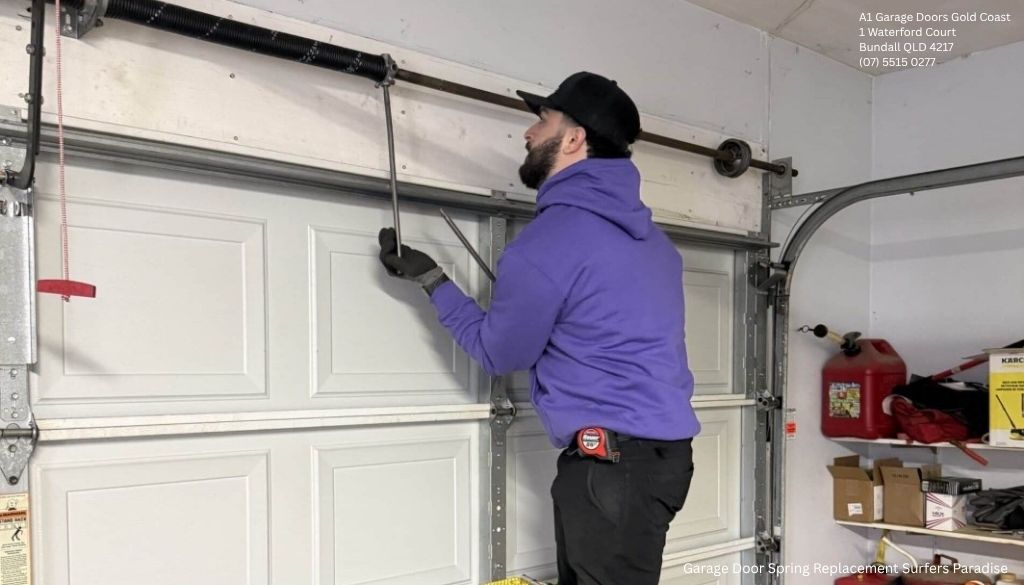
DIY installation is feasible for those with basic tools and technical skills; however, professional services ensure correct setup, especially for wiring, sensor calibration, and complex smart integrations.
What is the difference between belt drive and chain drive openers?
Belt drives operate quietly using a rubber belt, suitable for noise-sensitive https://goldcoastgaragedoorrepair.com.au/opener-replacement/ environments, while chain drives use a metal chain that is more durable but noisier.
How do safety sensors work and why are they important?
Safety sensors use infrared beams to detect obstructions in the door's path, automatically reversing the door to prevent injury or damage, making them essential for household safety.
Are smart garage door openers compatible with all garage doors?
Most smart openers are compatible with standard garage door types, but it is vital to check model specifications to ensure compatibility with your door’s size, weight, and design.
How long does a typical garage door opener upgrade installation take?
Installation generally takes 2 to 4 hours depending on the complexity, user experience, and whether old components require extensive removal or repairs.
What maintenance is required after upgrading my garage door opener system?
Maintenance includes regular lubrication, sensor cleaning, checking door hardware condition, testing safety features, and ensuring software updates for smart systems.
Does upgrading to a smart garage door opener affect my home’s Wi-Fi network?
Smart openers connect to your home Wi-Fi but use minimal bandwidth, typically not affecting network performance. Secure encryption protocols prevent interference or hacking risks.
Upgrading your garage door opener system in 2026 brings unmatched benefits in security, convenience, and technology integration. By understanding key components, following a clear installation guide, and maintaining your system regularly, you can extend your garage door opener’s life and enhance your home’s safety. Begin your upgrade journey today to enjoy smarter, quieter, and more reliable garage access tomorrow.